







What to Do If You Break, Chip, Crack, or Knock Out a Tooth: Call an emergency dentist in Brantford
Understanding Dental Emergencies
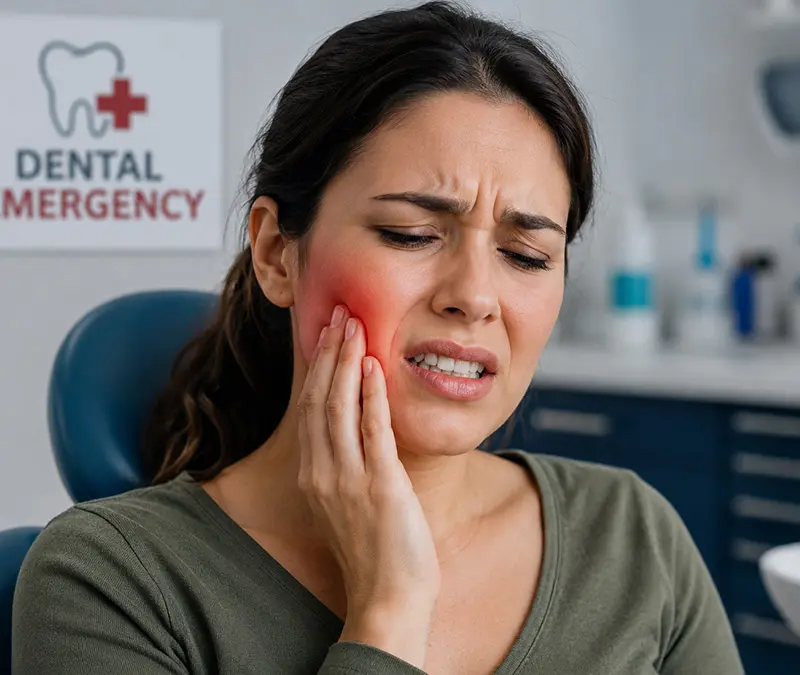
Dental emergencies can happen when a tooth breaks, chips, cracks, becomes loose, or gets knocked out. They can also involve sudden tooth pain, swelling, bleeding, or signs of infection. These situations can feel stressful, but staying calm and taking the right steps can help protect your oral health and improve the chances of saving the tooth.
If you are dealing with severe pain, a knocked-out tooth, a deep crack, swelling, or uncontrolled bleeding, contact an emergency dentist as soon as possible. Fast treatment can reduce discomfort, help prevent further damage, and lower the risk of complications.
If you are experiencing any of these emergency situations, contact an emergency dentist in Brantford immediately.
Why Quick Action Matters
In a dental emergency, timing can make a major difference. Acting quickly may help save a damaged tooth, reduce swelling, control bleeding, and prevent the problem from getting worse.
Seek immediate dental care if your tooth is knocked out, severely cracked, loose, or causing intense pain. If an adult tooth has been knocked out, keep it moist and bring it with you to the dentist. Handle the tooth only by the crown and avoid touching the root.
Call an emergency dentist, explain what happened, and ask what steps to take before your appointment. While waiting to be seen, you can apply a cold compress to the outside of your cheek to help reduce swelling.
1. Immediate Steps If a Tooth Is Knocked Out
A knocked-out tooth, also called an avulsed tooth, requires urgent attention. This advice applies to adult teeth. A knocked-out baby tooth should not be placed back into the socket, but the child should still be checked by a dentist.
For a knocked-out adult tooth, handle it carefully by the crown, which is the visible chewing part of the tooth. Do not touch the root. If the tooth is dirty, gently rinse it without scrubbing. Do not remove any attached tissue.
If possible, place the tooth back into the socket without forcing it. If you cannot reinsert it, keep it moist in milk, saliva, or a tooth preservation product. Then contact an emergency dentist immediately.
For the best chance of saving the tooth, try to see a dentist as soon as possible, ideally within 30 minutes.
What to Avoid
Do not touch the root.
Do not scrub the tooth.
Do not wrap the tooth in a dry tissue.
Do not leave the tooth dry.
Do not try to reinsert a knocked-out baby tooth.
Do not delay emergency dental care.
2. What to Do If Reimplantation Is Not Possible
If the tooth cannot be placed back into the socket right away, your dentist will examine the area and discuss the best treatment options. Depending on the injury, they may recommend stabilizing the tooth, protecting nearby teeth, or planning a future restoration.
In some cases, a temporary splint may be used to help hold the tooth in place after it has been reinserted. You may also need follow-up visits to monitor healing and check for signs of infection, nerve damage, or tooth movement.
If the tooth cannot be saved, your dentist may discuss replacement options such as a dental bridge, dental implant, or partial denture.
Watch for increased pain, swelling, bleeding, fever, drainage, or loosening of nearby teeth. These symptoms may require urgent follow-up care.
3. How to Handle a Chipped or Cracked Tooth
Chipped or cracked teeth can range from minor surface damage to deeper fractures that affect the inner layers of the tooth. Even if the damage looks small, it is still a good idea to have the tooth examined.
Start by rinsing your mouth gently with warm water. If the tooth has a sharp edge, avoid touching it with your tongue or chewing on that side. If you find any broken pieces, save them and bring them to your dental appointment.
You may notice sensitivity to hot or cold foods, pain when chewing, swelling, or irritation around the damaged tooth. Until you are seen by a dentist, avoid hard, crunchy, sticky, or very hot foods.
At-Home Care Before Your Appointment
Take over-the-counter pain relief as directed on the label, as long as it is safe for you.
Rinse gently with warm salt water to help keep the area clean.
Use a cold compress on the outside of the cheek to reduce swelling.
Avoid chewing on the affected side.
Brush gently around the damaged tooth with a soft-bristled toothbrush.
When to Seek Urgent Care
Contact an emergency dentist right away if the tooth is painful, visibly cracked, bleeding, loose, or sensitive when biting. Swelling, fever, a bad taste in the mouth, or drainage may also be signs of infection and should not be ignored.
4. Managing a Split or Fractured Tooth
Tooth fractures can vary in severity. Some affect only the outer enamel, while others extend deeper into the tooth or below the gum line.
A minor chip or small crown fracture may involve a rough edge, small crack, or mild sensitivity.
A deeper fracture may expose the inner layers of the tooth and cause stronger pain, temperature sensitivity, or discomfort when biting.
A split tooth occurs when a crack separates the tooth into distinct parts. This is usually more serious and may require advanced treatment.
A crown-root or root fracture may extend below the gum line and affect the stability of the tooth.
Common Treatment Options
Depending on the type and severity of the fracture, your dentist may recommend smoothing, bonding, a filling, a dental crown, a veneer, root canal therapy, stabilization, or extraction if the tooth cannot be saved.
Minor chips may be repaired with smoothing, bonding, or a filling.
Deeper fractures may need a crown or root canal therapy if the nerve is affected.
Cracked teeth should be checked early because the crack can worsen over time.
Split teeth are more serious because the tooth has separated into parts.
Crown-root and root fractures are often more complex and may require advanced treatment or extraction.
5. Controlling Bleeding and Pain
Bleeding after a dental injury can be alarming, but steady pressure can often help control it. Rinse gently with clean water to remove debris, then place clean gauze or a clean cloth over the area and bite down gently.
If bleeding continues, becomes heavy, or does not slow down with pressure, seek emergency dental care.
For pain or swelling, you may use over-the-counter pain medication as directed on the label, as long as it is safe for you. Do not place aspirin directly on the tooth or gums.
A cold compress can help reduce swelling. Apply it to the outside of the cheek for short intervals at a time.
6. Aftercare and Recovery
After emergency dental treatment, follow your dentist’s instructions carefully. Recovery may involve eating soft foods, keeping the area clean, avoiding pressure on the injured tooth, and attending follow-up appointments.
Soft Foods to Eat After a Dental Injury
Good options may include yogurt, mashed potatoes, scrambled eggs, smoothies, applesauce, oatmeal, soup that is not too hot, and soft pasta.
Avoid hard, crunchy, sticky, or chewy foods until your dentist says it is safe.
Oral Hygiene During Recovery
Brush gently with a soft-bristled toothbrush. Be careful around the injured area, but continue keeping your mouth clean. Your dentist may recommend warm salt water rinses to help keep the area clean.
Signs of Complications
Contact your dentist if you notice worsening pain, swelling, fever, drainage, numbness, discoloration, a loose tooth, or a new crack after treatment.
FAQ
- Q: How soon should I see an emergency dentist?
-
You should seek care immediately if you have a knocked-out adult tooth, severe pain, heavy bleeding, swelling, or a serious crack. For minor chips or lost fillings, book the next available appointment, but do not wait if pain or swelling gets worse.
- Q: Can a knocked-out tooth be saved?
-
A knocked-out adult tooth may be saved if you act quickly. Keep the tooth moist, avoid touching the root, and see an emergency dentist as soon as possible. The best chance of saving the tooth is usually when care is received quickly, ideally within 30 minutes.
- Q: Should I put a knocked-out baby tooth back in?
-
No. A knocked-out baby tooth should not be placed back into the socket because it may damage the permanent tooth developing underneath. The child should still be checked by a dentist.
- Q: Can I wait to see my regular dentist?
-
If your regular dentist can see you quickly, they may be able to help. However, if you have severe pain, swelling, bleeding, infection symptoms, or a knocked-out tooth, you should not delay care. An emergency dentist can provide urgent treatment and help prevent further damage.
- Q: What can I do for pain at home?
-
You can use over-the-counter pain relief as directed, apply a cold compress, avoid chewing on the affected side, and rinse gently with warm salt water. Do not place aspirin directly on the gums or tooth.
- Q: Do I need an X-ray?
-
You may need an X-ray or other imaging depending on the injury. Imaging can help your dentist check for fractures, root damage, bone loss, infection, or damage below the gum line.
Conclusion
Dental emergencies can feel overwhelming, but quick action can make a major difference. Whether you have a broken, chipped, cracked, loose, or knocked-out tooth, staying calm and contacting an emergency dentist right away can help protect your smile and reduce the risk of complications.
Keep a small dental emergency kit with gauze, a clean container, access to milk or a tooth preservation product, and your dentist’s contact information. If an adult tooth is knocked out, keep it moist and seek urgent dental care as soon as possible for the best chance of saving it.